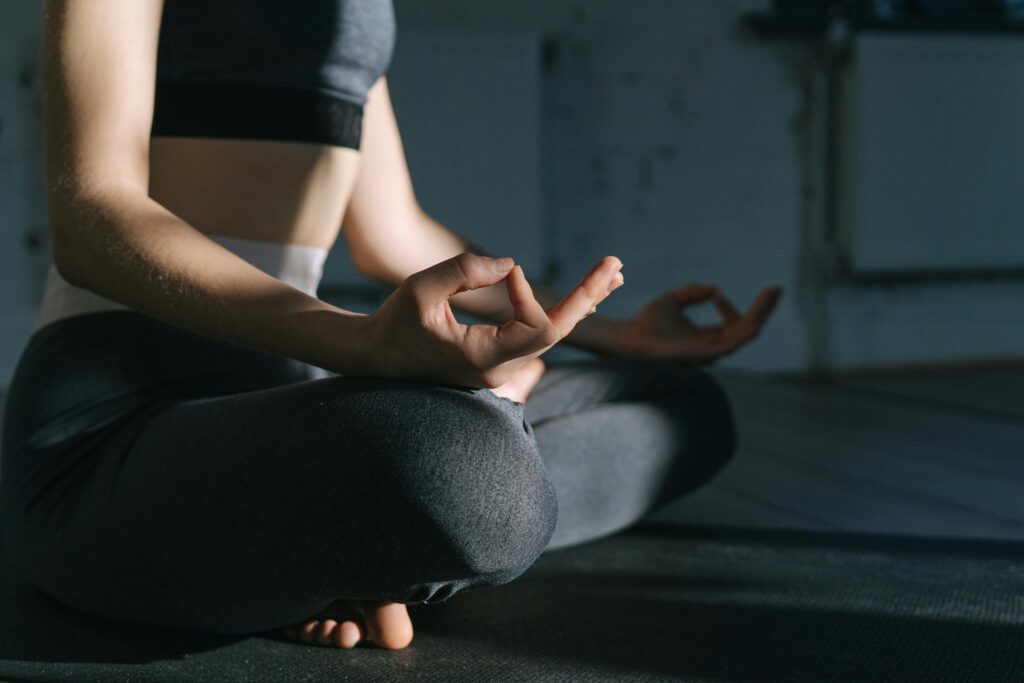

In a culture that glorifies busyness, choosing to slow down feels almost rebellious. Here is what three years from idea to discovery and putting into action has taught me about the power of pausing.
I used to wear exhaustion like a badge of honour. The more packed my calendar, the more I felt I was doing something meaningful. Sound familiar?
It took a breakdown, not the dramatic kind you see in films, but the slow, quiet kind where you stop recognising yourself in the mirror. For me to understand that I had been treating rest as something I had to earn. Rest was a reward. Productivity was the price of admission.
In building Peoties Wholesome Wave, I have had hundreds of conversations with women across Southeast Asia who feel the same way. High-achieving, deeply caring, and utterly depleted.
“Rest is not something you earn. It is something you practice.”
What changed for me was not a grand revelation. It was small: I started leaving twenty minutes between meetings. I stopped answering messages after 9pm. I began sitting in silence with my morning tea before picking up my phone. These were not self-care luxuries. They were structural acts of resistance against a culture that measures our worth by our output.
Rest, I learned, is not the absence of work. It is a practice. Have a discipline to pause and be comfortable with it. And when you truly rest, not scroll, not snack-watch, not half-sleep with one eye on your inbox, something remarkable happens. You start to hear yourself again.
If you have been waiting for permission to slow down: this is it. The community you have been looking for is not one that will push you to do more. It is one that will sit with you while you figure out what enough actually looks like.
What would you do with twenty minutes of true stillness today?